Exploring Multi-Receptor Mechanisms in Metabolic Research
The scientific landscape has shifted significantly from analyzing isolated biological targets to exploring multi-receptor synergy. Understanding the pharmacological differences between these peptide classes is essential for proper experimental design. Ongoing advancements in these respective drug classes are extensively tracked through public registries like ClinicalTrials.gov.
-
Single-Agonist Peptides (Semaglutide): These compounds selectively target the Glucagon-Like Peptide-1 (GLP-1) receptor. In laboratory models, they are used to establish baselines for glucose-dependent insulin secretion and delayed gastric motility.
-
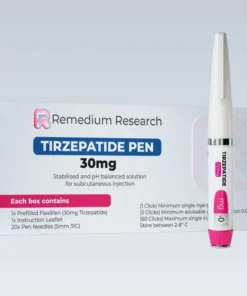
Dual-Agonist Peptides (Tirzepatide): These structurally modified molecules engage both the GLP-1 and the Glucose-Dependent Insulinotropic Polypeptide (GIP) receptors. Researchers use dual-agonists to study synergistic lipid metabolism and enhanced insulin sensitivity in white adipose tissue.
-
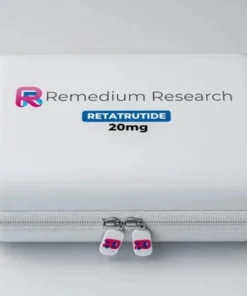
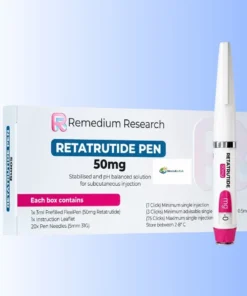
Triple-Agonist Peptides (Retatrutide): Representing the frontier of metabolic science, these unimolecular compounds target GLP-1, GIP, and the Glucagon receptor. Activation of the glucagon receptor in an in vitro setting allows scientists to measure direct increases in hepatic lipid oxidation and overall cellular energy expenditure without triggering dangerous hypoglycemic events.
Strict Laboratory Handling and Storage Protocols
To maintain the structural integrity of complex amino acid chains, strict adherence to biochemical handling protocols is required. Degradation of the compound will invalidate experimental data. Recommended handling procedures for delicate macromolecules can be reviewed through foundational resources like PubMed.
-
Pre-Reconstitution Storage: Lyophilized (freeze-dried) powder must be stored in a deep-freeze environment, ideally at -20°C, to prevent environmental degradation.
-
The Reconstitution Process: Always utilize sterile bacteriostatic water or a laboratory-validated buffer solution. Introduce the solvent slowly against the internal glass wall of the vial. Never shake or apply aggressive kinetic force, as this will fracture delicate molecular bonds. Swirl gently until the liquid is clear.
-
Post-Reconstitution Care: Once the peptide is mixed into a liquid state, it must be partitioned into experimental aliquots and immediately refrigerated between 2°C and 8°C. Ensure all solutions are strictly protected from ambient ultraviolet light exposure to maximize chemical stability.
To support clear, authoritative information retrieval for the scientific community, below are the fundamental parameters regarding our product catalog.
Are Remedium Research products approved for human use?
No. All products, including our Remedium Research 30mg compounds, are strictly classified as investigational research materials. They are exclusively manufactured for in vitro testing, analytical modeling, and ethically sanctioned laboratory research. They are explicitly not approved by any global regulatory body for human consumption, clinical diagnostics, or veterinary application.
What documentation supports the purity of these peptides?
Analytical verification is a core pillar of reproducible science. We provide access to comprehensive batch identification, product specifications, and Certificates of Analysis (COA) for all our materials. Researchers should thoroughly review these analytical traceability records prior to initiating any biological assays to ensure total alignment with their institutional standards.
How do researchers select the correct compound for their study?
The selection is driven entirely by the targeted cellular pathway. Studies focused solely on baseline incretin response typically utilize GLP-1 agonists. Investigations into lipid clearance and synergistic insulin modulation require dual-agonists. Finally, assays measuring advanced thermogenesis and hepatic fat reduction necessitate triple-agonist formulations.